Understanding Bone Marrow
How bone marrow became a foundation of cellular medicine, and the limits that shape it today.
Bone marrow is one of the oldest names in cellular medicine, and also one of the most confused. It is often introduced to patients as the original stem cell source, pulled from the hip and used as a treatment for nearly anything. In practice, bone marrow is a specific biological tissue with a defined clinical role, a decades long history, and real limits that shape what it can and cannot do.
What Is Bone Marrow?
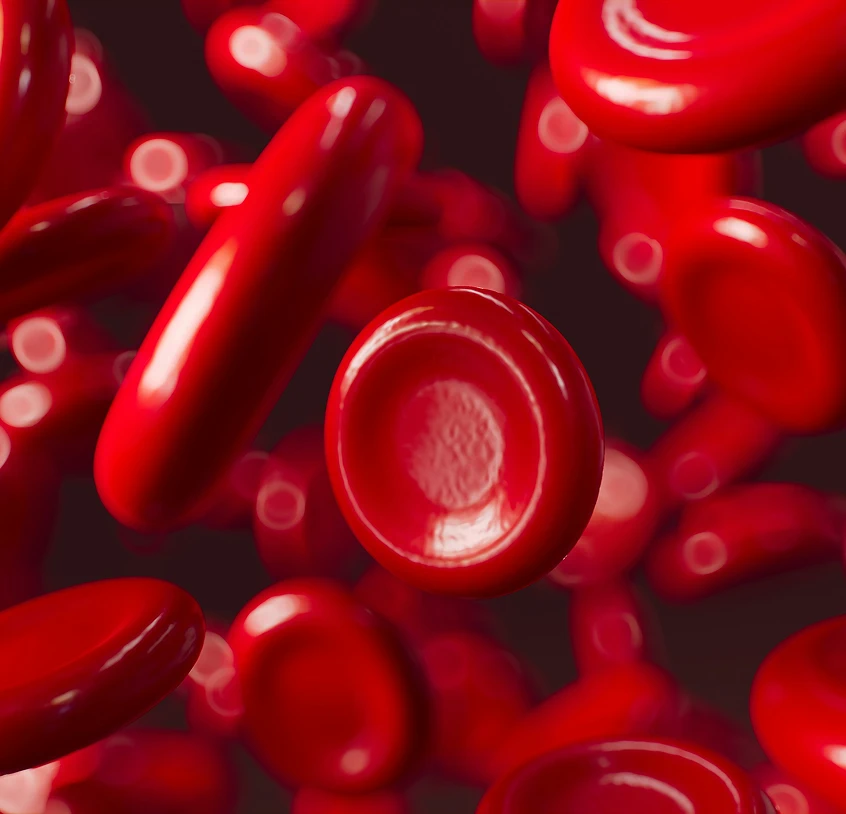
Bone marrow is the soft tissue inside the larger bones of the body. It is the factory where the body builds red blood cells, white blood cells, and platelets every day, and it contains a small population of mesenchymal stem cells mixed into a much larger volume of blood and fat.
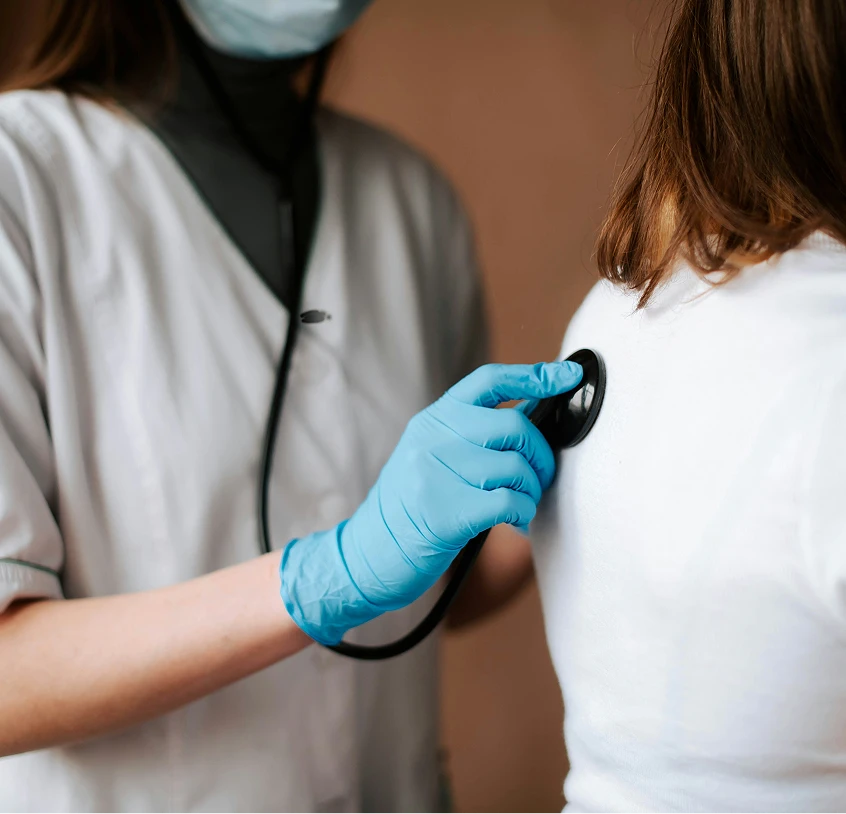
Collection is a medical procedure. A physician inserts a needle into the pelvis or hip bone, usually under local or general anesthesia, and draws out liquid marrow with a syringe. The harvest is then concentrated before it is used. A typical aspirate procedure takes about thirty minutes, and the patient often feels sore at the harvest site for days after.
A typical bone marrow aspirate is small in cellular terms. Documented total cell concentrations sit around 532,000 cells, and the mesenchymal stem cell fraction is at most about 0.02 percent of the harvest, which works out to roughly 10,000 stem cells in the final concentrate. That puts a natural ceiling on how many cells are inside a single collection.
How It All Started
Bone marrow as a treatment begins with one patient and one physician. In 1956, Dr. E. Donnall Thomas performed the first successful bone marrow transplant at Mary Imogene Bassett Hospital in Cooperstown, New York. His patient was receiving marrow from an identical twin, and the case showed that donated marrow cells could repopulate the blood and immune system of another person.
Over the next decade, Thomas and his collaborators worked through the biology that would let transplants succeed between non identical donors and recipients. In 1968, a separate team led by Dr. Robert Good at the University of Minnesota performed the first successful allogeneic bone marrow transplant in a child with severe combined immunodeficiency. Thomas was later awarded the Nobel Prize in Physiology or Medicine in 1990 for that body of work.
That arc opened a door. If the marrow of one person could rebuild the blood system of another, then bone marrow could help patients with a long list of blood and immune diseases.
What Bone Marrow Has Done for Patients
In the years after those first cases, bone marrow transplantation became a core treatment for leukemia, lymphoma, severe aplastic anemia, multiple myeloma, sickle cell disease, and a range of inherited immune disorders. It is one of the most established cellular therapies in modern medicine.
A different use of bone marrow, called bone marrow aspirate concentrate, has grown up alongside transplant medicine. Orthopedic surgeons draw a smaller volume of marrow, concentrate it in a centrifuge, and inject it back into the same patient during procedures involving joints, cartilage, tendons, wound closures, and muscle repair. What began as a laboratory puzzle in New York had become a routine part of cancer care, blood disorder care, and orthopedic practice. For many patients, that has been a real lifeline.
Autism is a separate story. There is no large randomized clinical trial that supports the use of bone marrow for autism spectrum disorder. A small number of early stage studies have explored bone marrow mononuclear cells as a research pathway, but those trials have been limited in size and have not produced broad evidence of benefit. Families searching online still encounter clinics offering bone marrow injections as a stem cell therapy for autism.
The practical challenges stack on top of that. A single bone marrow aspirate yields on the order of 10,000 mesenchymal stem cells after concentration, which is very small compared to the doses used in most cellular therapy programs. Bone marrow is also not typically stored for later staged use, so a child whose plan would call for multiple infusions over time cannot rely on a single aspirate to cover more than one procedure. For families looking specifically at autism care, bone marrow has not been shown to work at a population level, and the practical math on cell dose and repeat treatment makes it a difficult fit regardless.
Limits a Patient Should Weigh
The harvest itself carries real risk. Bone marrow aspiration is the most physically invasive of the common cell sources. It requires a needle driven into bone, usually under anesthesia, and documented risks include pain at the harvest site, bleeding, and rare infection. A patient is taking on a procedure, not a blood draw.
The mesenchymal stem cell fraction is very low. Documented values put the MSC share of a typical aspirate at about 0.02 percent of total cells, with roughly 10,000 stem cells in the final concentrate. A patient and physician who are planning around a specific cell dose are working from a very small starting number.
Live cell numbers fall with age. Older patients produce fewer viable cells in their marrow, and the stem cell fraction declines over time. A collection from an older donor delivers a smaller and less active product than the same collection from a younger donor.
Bone marrow is typically not stored. Aspirate is concentrated and used in the same setting rather than banked for staged treatment. A patient whose condition calls for repeated infusions over months or years cannot rely on a single harvest to cover more than the immediate procedure.
The number of lifetime collections is limited. Aspiration sites need time to heal, and a patient cannot be harvested repeatedly on a short cycle without meaningful recovery periods. The total number of usable collections across a lifetime is bounded in a way that a less invasive source is not.
Bone marrow aspirate is not designed for IV infusion. The concentrated product is typically positioned for joint or orthopedic injection, not for systemic infusion.
A New Frontier: Neuro Free
For families looking at cellular therapy as part of autism care, one of the newer developments in the United States is Neuro Free. It is the only U.S. based patented cellular therapy developed specifically for autism spectrum disorder, aimed at improving brain function and reducing neurological inflammation in pediatric and young patients with autism. Treatment is available for ages 2 to 22, with most patients treated between 2 and 20.
Neuro Free was founded in 2016 by physicians who had watched families travel overseas in search of stem cell options they could not find at home. Those trips were often expensive, emotionally difficult, and carried out with limited medical oversight. The program was built to offer that pathway inside a physician led setting in the United States.
A treatment cycle begins with tissue donated by the mother and collected by a plastic surgeon. The harvest is then developed through a patented process carried out inside an FDA registered laboratory, with the patent and the laboratory held by separate entities. On treatment day, the cells are delivered to the child through an IV infusion that runs for about two and a half hours. Many children report feeling sleepy during the infusion, there are no known side effects, and noticeable changes are typically reported within a few hours of treatment.
Several points set the Neuro Free program apart from bone marrow:
- Safer harvest location. The cells are drawn from soft tissue on the stomach, low back, or thighs rather than aspirated from bone. The site is chosen for donor comfort and a low risk profile.
- Higher cell counts. A typical Neuro Free unit carries 30 to 90 million cells with total nucleated counts around 8.5 billion. A typical bone marrow aspirate delivers about 532,000 total cells with roughly 10,000 mesenchymal stem cells in the final concentrate.
- Documented cell counts. Each product is released with recorded total nucleated cells, total cells, and live cell viability, typically reported between 95 and 100 percent. Bone marrow aspirate is not released with the same kind of patient facing count reporting.
- Repeatable treatment. The full harvest is processed and stored at negative 80 degrees Celsius, and doses are released on request. A child's care plan can include multiple scheduled infusions rather than a single, one time procedure.
- Designed for injection and infusion. The program is built for both IV infusions and injections, so treatment can be matched to the child's needs rather than limited to the orthopedic settings where bone marrow aspirate is commonly used.
Sources
- Thomas, E. D., et al. "Intravenous Infusion of Bone Marrow in Patients Receiving Radiation and Chemotherapy." New England Journal of Medicine, 1957.
- Gatti, R. A., Meuwissen, H. J., Allen, H. D., Hong, R., Good, R. A. "Immunological Reconstitution of Sex Linked Lymphopenic Immunological Deficiency." The Lancet, 1968.
- The Nobel Prize in Physiology or Medicine 1990. E. Donnall Thomas Facts. NobelPrize.org.
- Pittenger, M. F., et al. "Multilineage Potential of Adult Human Mesenchymal Stem Cells." Science, 1999.
- Hernigou, P., et al. "Benefits of Small Volume and Small Syringe for Bone Marrow Aspirations of Mesenchymal Stem Cells." International Orthopaedics, 2013.